White Spotting in Cats: Genetics, Patterns, and Coat Colors
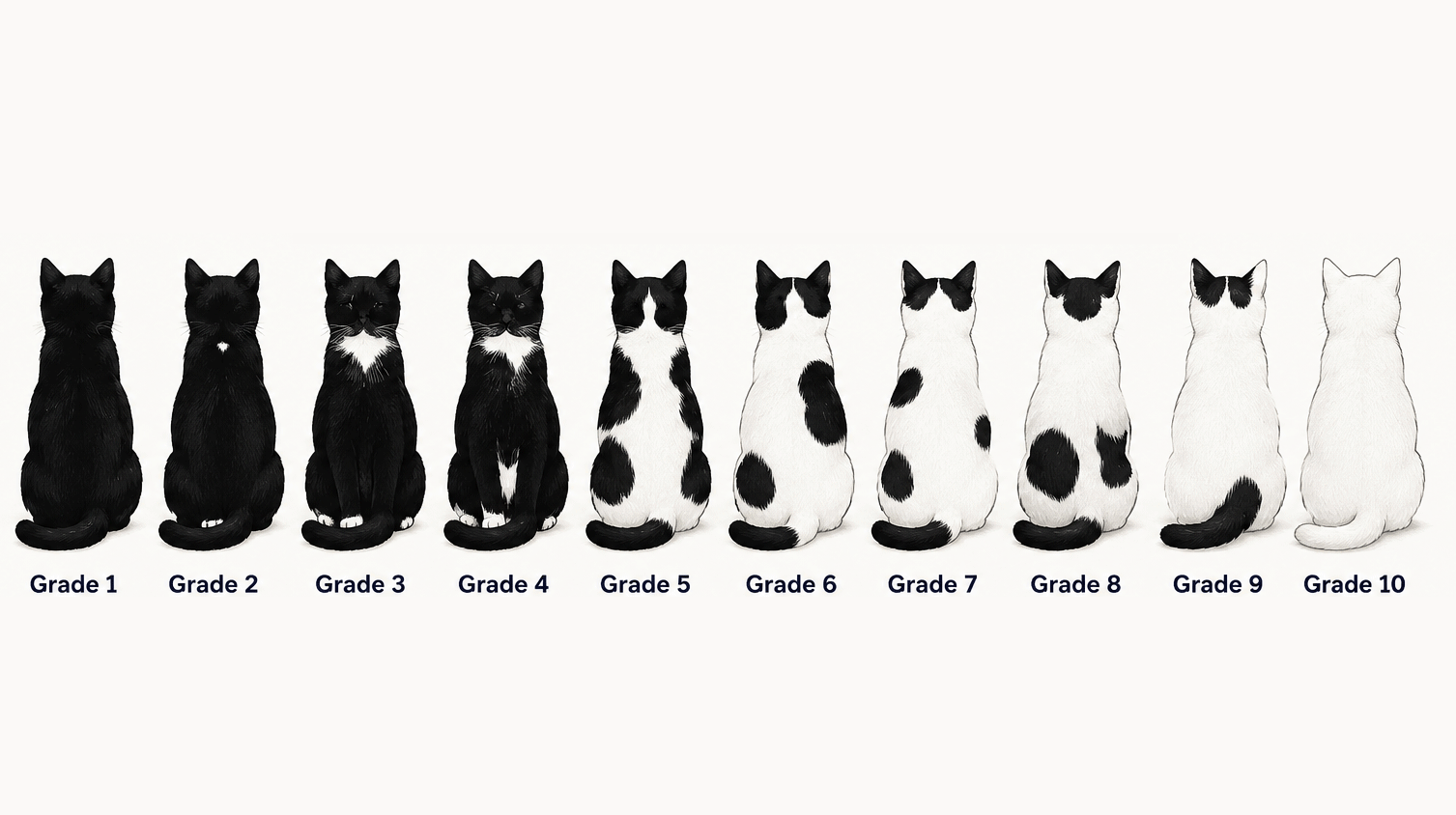
From tuxedo to van-pattern cats, discover how the white spotting gene shapes feline coat patterns and why every cat’s markings are unique.

 Caitlin Dempsey
From tuxedo to van-pattern cats, discover how the white spotting gene shapes feline coat patterns and why every cat’s markings are unique.

Why does your cat love joining you in the bathroom? From curiosity to affection, here are theories behind this feline behavior.
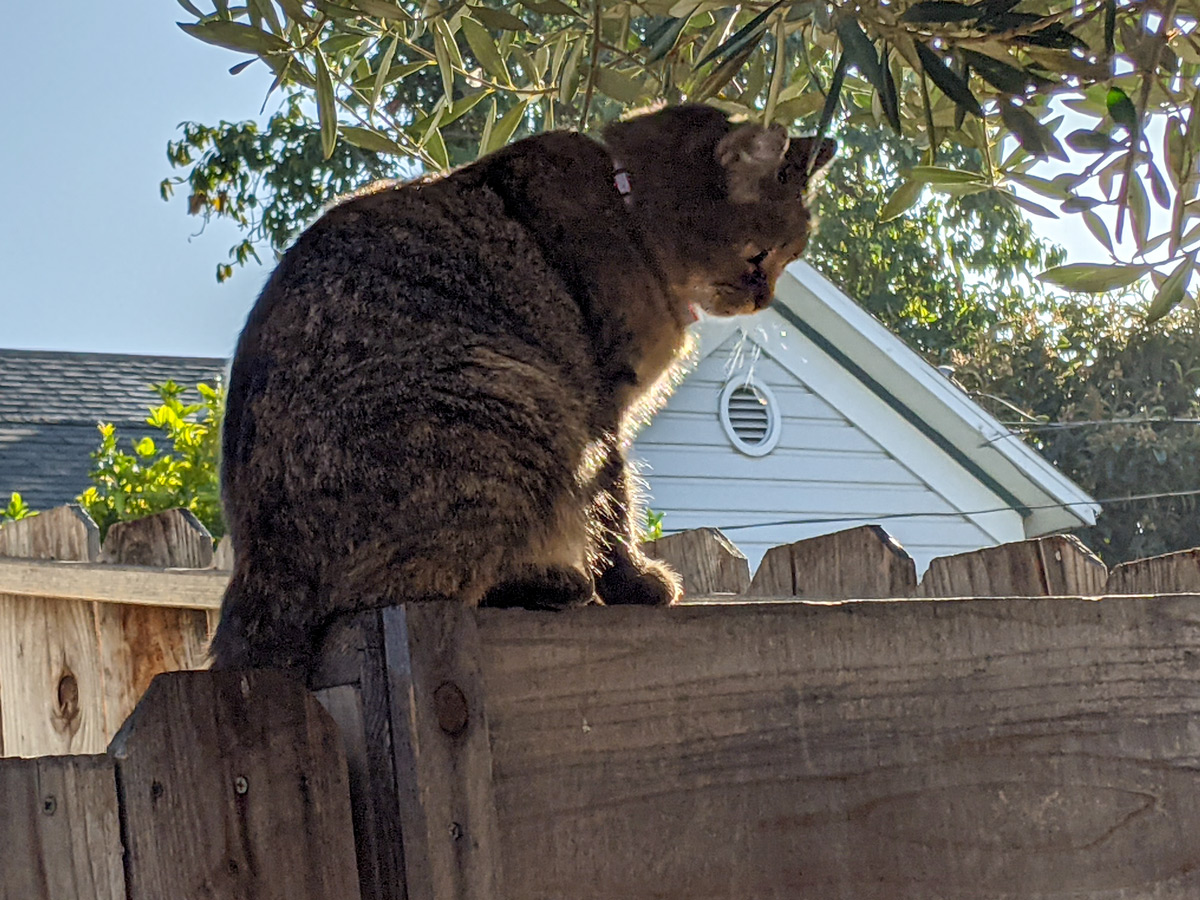
Bio-loggers and AI are unlocking insights into cat behavior, helping us understand their routines, health, and complex activities like grooming and jumping.
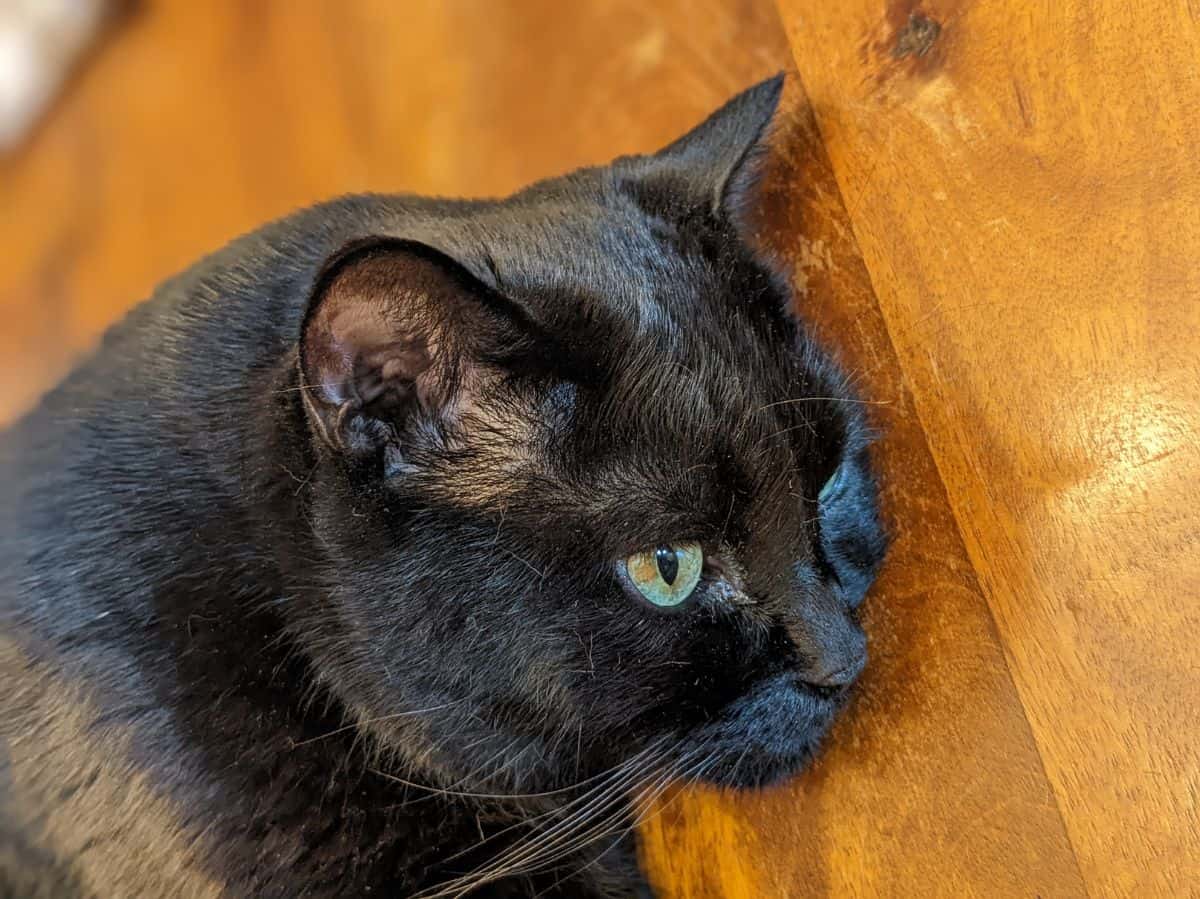
Facial alopecia is normal fur thinning between a cat’s eyes and ears. Common in adults, it’s harmless but more noticeable in shorthaired cats.
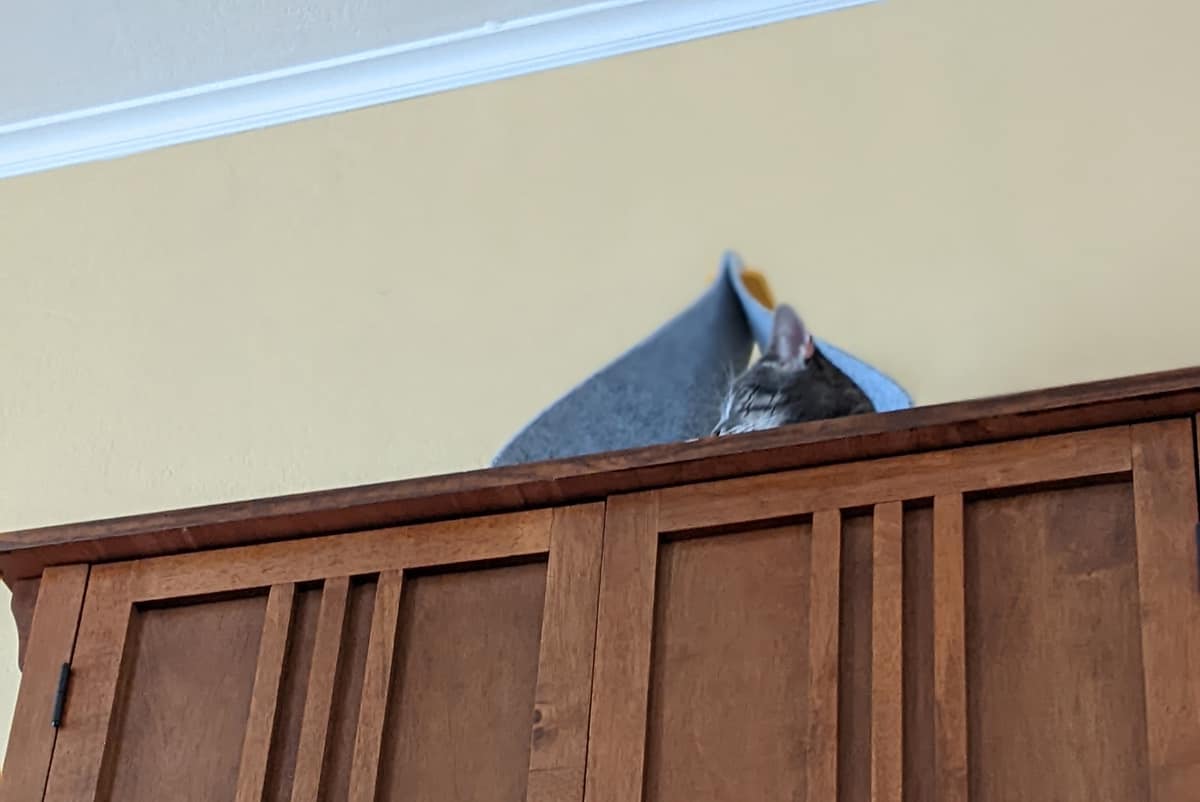
Cats naturally seek out spots that are higher up for observation and safety.
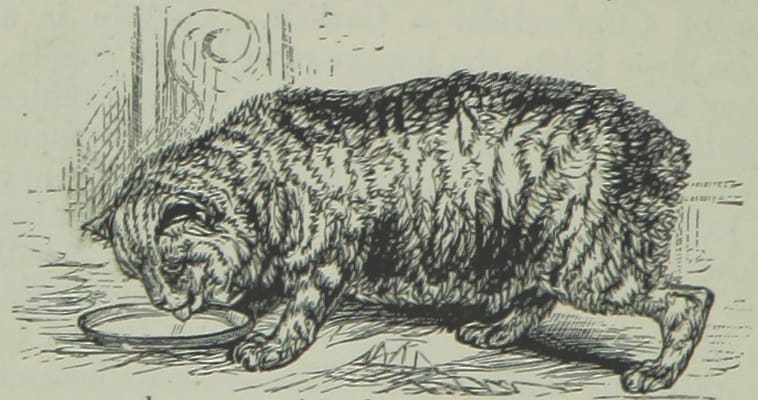
One of the most distinguishing characteristics of a Manx cat is the absence of a tail, which is caused by a genetic mutation.
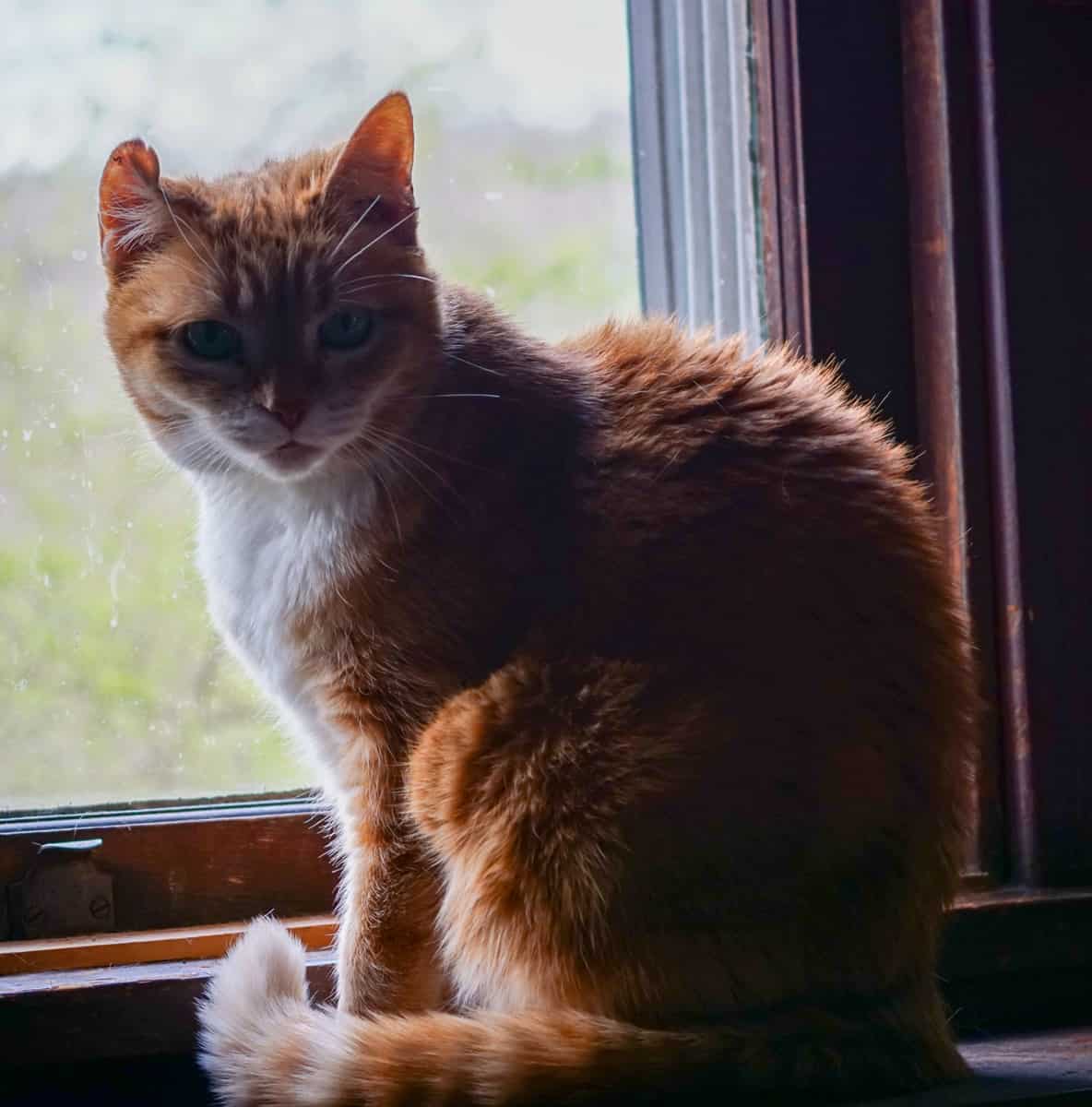
Hand gestures, sign language, and flashlights are some of the strategies you can use to communicate with your deaf cat.
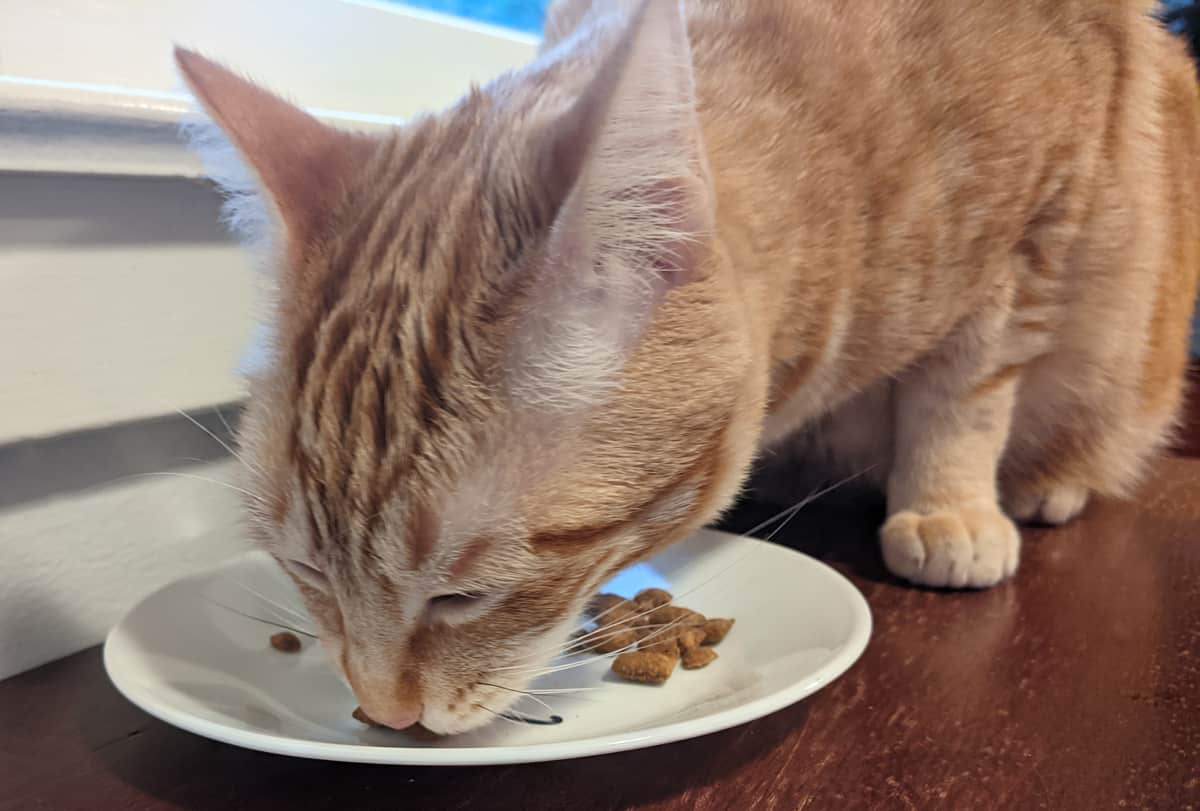
Small amounts of certain non-meat foods can be a healthy addition to a cat’s mostly meat-based diet.
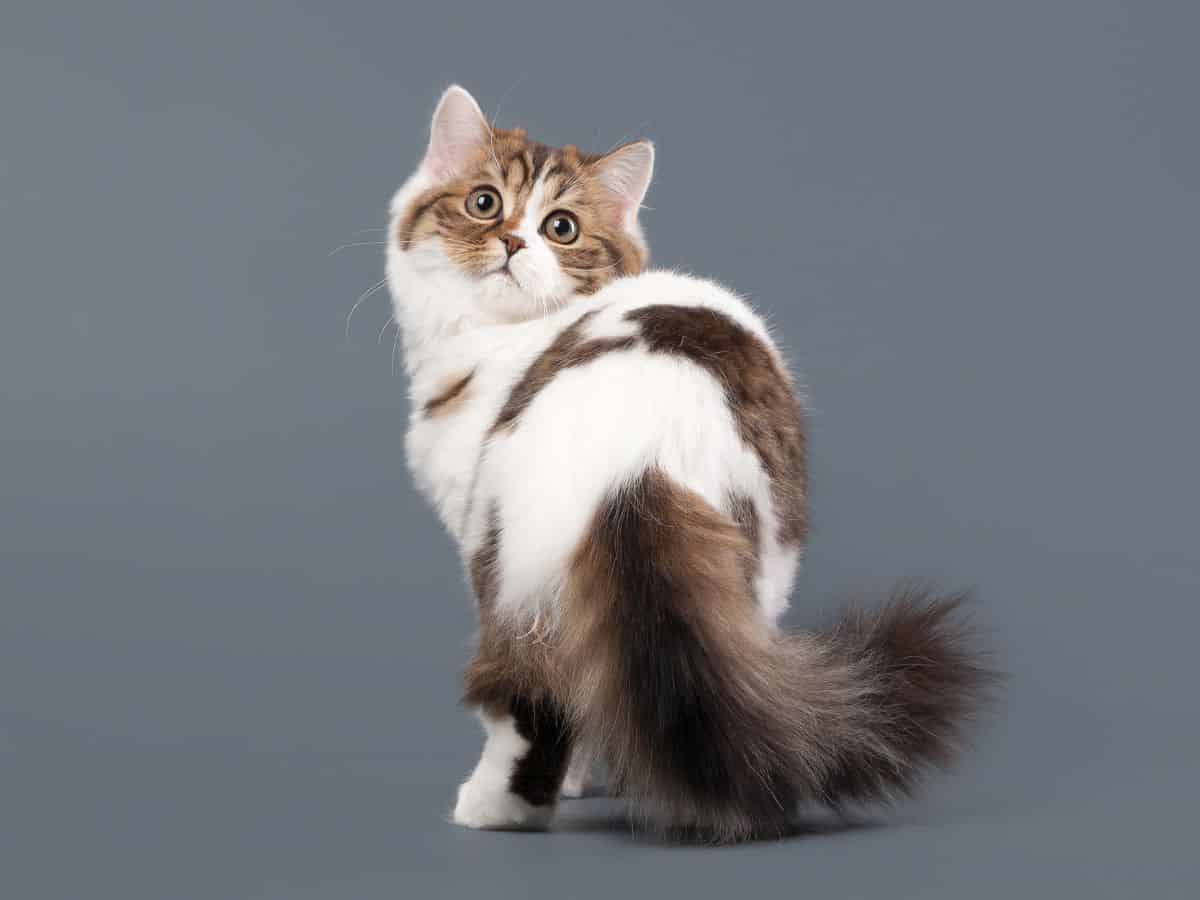
A harlequin cat has a bicolor, or piebald, coat pattern, characterized by a mostly white body with distinct, well-separated patches of color.

Torbie cats are a mix of two different cat fur patterns: tortoiseshell and tabby.

Cats have been a cherished presence in libraries and bookstores around the world, a tradition that traces back to Ancient Egypt.